
 Drain Unblocking
 Drain Cleaning
 CCTV Drain Survey
 Drain Repairs
 Toilet Unblocking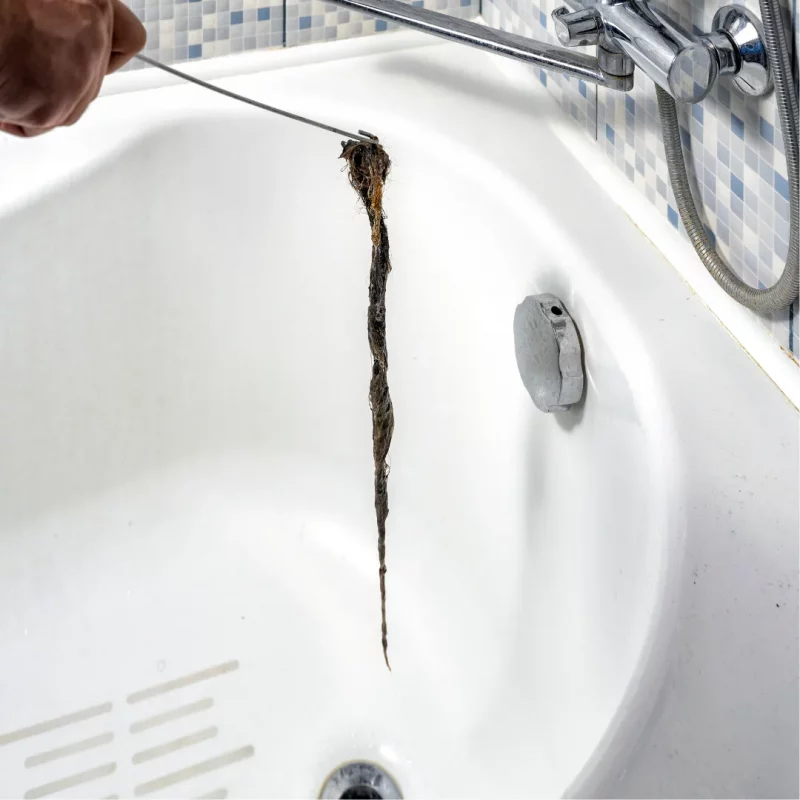
Drain Block Services — Plymouth, Devon & Cornwall
Why You Should Keep Your Drains Clean Year-Round

Drain systems are one of the most overlooked parts of a home or commercial property. Hidden behind walls, under floors, and buried underground, they do their job quietly — until something goes wrong. Regularly cleaning your drains is not just a good habit, it’s essential. Whether you live in a city centre flat or a countryside cottage, neglecting your drainage can lead to foul smells, flooding, expensive repairs, and even health hazards.
This guide walks you through why keeping your drains clean matters, what causes them to get dirty, what happens when you ignore them, and how to stay ahead of potential disasters.
How Drainage Systems Really Work
Think of your drains like quiet workhorses, always in the background, handling everything you pour, rinse, or flush. From the kitchen sink and dishwasher to the bathroom shower and toilet, all that used water flows through a hidden network of pipes leading to the main sewer line or, in some cases, a septic tank.
Over time, those pipes get weighed down by the daily mess — bits of food, splashes of oil, stray hairs, leftover shampoo. As that waste builds up along the inside walls, water starts to drain more slowly. Eventually, if it’s not cleaned out, the pipe clogs altogether. Clean pipes mean fewer problems, fewer smells, and fewer unexpected disasters.

Why It Pays to Keep Your Drains Clean
You might not notice your drains when they’re doing their job. But when they stop working properly, it’s hard to think about anything else. Clean drains do a lot more than keep the water moving — they make your entire home run smoother and feel fresher.
- › Fewer blockages: Grease, soap residue, food scraps, and hair love to cling to pipes. Regular drain cleaning doesn’t give them a chance to settle.
- › No nasty smells: Stagnant water and organic waste breed bad odours. Clear drains smell like nothing — which is exactly how it should be.
- › No surprise pests: Mice, flies, and cockroaches are all drawn to clogged drains. Stay ahead of the problem by keeping things clean.
- › Longer-lasting pipework: Blockages create pressure. Pressure cracks pipes. Routine cleaning keeps everything under control.
- › Lower bills: It costs a lot more to dig up and replace damaged pipes than it does to keep them in working order.
Everyday Habits That Dirty Up Your Pipes
You don’t have to dump buckets of grease down the sink to mess up your drains. Most clogs start with small, repeated habits — often the kind you don’t even think about.
- ›Pouring leftover cooking oil or fat down the plughole
- ›Flushing wipes, cotton buds, or sanitary items
- ›Letting food waste slip off plates and into the sink
- ›Tipping coffee grounds or tea leaves down the drain
- ›Long showers sending hair and soap scum into the pipes
- ›Leaves and outdoor debris washing into exterior drains
Even store-bought drain fresheners can be misleading. They might mask a smell, but they don’t always clear the real cause.
Why You Shouldn’t Ignore Drain Problems
It is easy to ignore drainage issues until they become urgent. But this approach can be costly and unpleasant. Here’s what can happen if you don’t clean your drains regularly:
Smelly Property
Odours from drains are not just annoying — they’re often a warning sign of deeper problems. That sulphur-like smell is often hydrogen sulphide, a by-product of bacteria feeding on organic waste in stagnant water.
Recurring Blockages
Minor blockages may clear temporarily but tend to come back if the root problem is not addressed. Frequent clogging in sinks, baths, or toilets indicates pipes need professional drain cleaning — not just plunging.
Property Damage
Water backing up from drains can damage floors, walls, and furniture. If outdoor drains flood, it can seep into basements or under floorboards, causing rot and mould.
Health Risks
Dirty water and black mould caused by dampness are both harmful. In some cases, exposure to drainage gases or bacteria can lead to respiratory issues or infections.
Expensive Repairs
What starts as a slow drain could end in a collapsed pipe or complete system failure. Repairs can be disruptive, requiring excavation, relining, or full replacement.

How Often Should You Clean Your Drains?
The answer depends on the age of your property, the number of people using the system, and your habits. As a general rule:
Kitchen & bathroom plugholes
Once every 1–2 months
Shower drains
Once a month if long hair is common
Outdoor drains & gutters
Check every season
Full system inspection
Once a year by professionals
DIY Tips and When to Call a Pro
Some light maintenance can be done at home:
- ›Boiling water: Pour down plugholes weekly to melt grease
- ›Baking soda and vinegar: A natural combo for breaking down grime
- ›Drain snakes: Handy for pulling out hair and small clogs
- ›Sink strainers: Cheap, effective, and easy to install
For deeper issues — slow draining across multiple fixtures, smells that don’t go away, or flooding — call a professional. At Drainblock Services, we offer CCTV drain inspections, drain jetting and cleaning, descaling, and preventative maintenance for homes and businesses across Plymouth, Devon, and Cornwall.
Frequently Asked Questions About Clean Drains
Why does my kitchen sink smell even after cleaning it?
The smell could be coming from deeper inside the pipework. Grease or food may be stuck past the trap, where hot water and dish soap don’t reach.
Can I use bleach to clean my drains?
Bleach can kill bacteria and remove odours temporarily, but it won’t break down grease or hair effectively. Use sparingly and never mix with other cleaners.
What is the safest natural way to clean a drain?
A mix of baking soda and vinegar, followed by hot water, is safe for most pipe types and helps dissolve minor build-up.
How do I know if I need a professional drain cleaner?
If you’ve tried multiple DIY solutions and the problem keeps coming back, or if water is backing up, it’s time to call a drainage specialist.
Do outdoor drains need cleaning too?
Yes. Leaves, silt, and garden debris regularly clog outdoor gullies. These should be checked and cleared at least once per season.
Ready to Act?
Book Your Drain Clean or Inspection Today
If your drains are slow, smelly, or just overdue for a clean, don’t wait until it becomes an emergency. At Drainblock Services, we provide expert drain cleaning, CCTV inspection, and jetting for homes and businesses across Plymouth, Devon, and Cornwall.
“Get drains flowing again — without the drama.”


