
 Drain Unblocking
 Drain Cleaning
 CCTV Drain Survey
 Drain Repairs
 Toilet Unblocking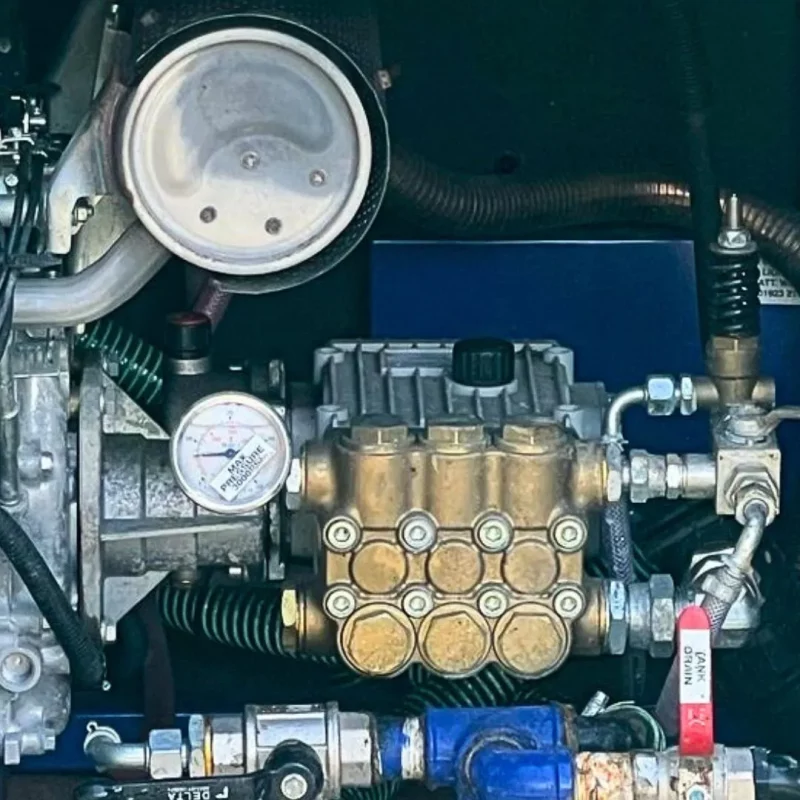
Drain Jetter Repairs: When to Fix and When to Replace Your Jetting Kit
Your jetter is only as good as the pressure behind it. Whether you’re blasting through fat and roots in Saltash or shifting years of buildup in an old Tavistock clay pipe, your kit needs to work as hard as you do. But even the best gear has a shelf life.
So when things start going wrong, how do you know if it’s worth repairing — or time to invest in something new? That’s exactly what this guide tackles. We’ll show you how to spot early warning signs, what can be fixed easily, and when replacing your jetting unit could save more than just cash.

Why Your Jetter Can’t Afford Downtime
If you’ve worked drains in Plymouth for any length of time, you’ll know — some blockages laugh at rods. Grease, wipes, and tree roots don’t stand a chance against a good jetter. That’s why we rely on ours for everything from quick drain unblocking in Southway to full pipe clears on estate properties in St Budeaux.
When your jetter starts to struggle, it won’t always blow up dramatically. Sometimes it’s subtle. The pressure might be off just a bit. You notice jobs are taking longer. The drain you normally clear in one pass now takes three. One of our team noticed it in Plympton last winter — halfway through a drain job, he said, “This isn’t biting like it should.” We checked the system and found a worn valve messing with the output. We swapped it out and got back to work. If we hadn’t caught it, we might have lost a whole day to a full pump failure.
The signs aren’t always dramatic. Simple things: nozzles starting to dull, the hose coiling weirdly, a strange hum from the pump. If you ignore those hints, the job you could’ve finished in 40 minutes turns into a two-hour slog — or worse, a second visit. It’s about noticing your kit’s whisper before it starts shouting.
Repair or Replace? Here’s How We Decide
We’ve got a simple rule: if fixing it costs more than 40% of buying new — and you’ve had more than one recent fault — it’s probably time to let it go. The same applies if:
- ■Parts are no longer easy to source
- ■You’ve already missed or delayed two jobs because of it
- ■The engine’s nearing end-of-life and reliability is dropping
Repairs can extend your machine’s life — but only if they’re buying you real uptime, not false confidence.
True Story: A Worthwhile Fix
One of our guys flagged a slow-pressure issue in an otherwise solid van-pack unit. Turned out a couple of seals had worn out. We swapped them, flushed the system, and were back at full power in 48 hours. Total bill: under £200. That same fix let us keep using the kit for another 18 months — saving thousands on a replacement.
When a Replacement Made More Sense
A team running an older petrol jetter from Tavistock found themselves dealing with weekly issues: ignition trouble, cracked fittings, low flow. After the third patch job, we swapped it for a newer diesel setup. Job times went down. Call-backs dropped to zero. No regrets.

Choosing the Right Replacement
If you decide to upgrade, look for:
- ■Flow rate and PSI that matches your work
- ■Engine type (petrol vs diesel)
- ■Hose reel length and build quality
- ■UK parts support
- ■Trusted brand with warranty
Jetter Types: Choosing What Works for You
Van-Pack Jetters
Compact, secure, and easy to operate from one vehicle. Best for domestic jobs and city routes like Mannamead or Estover.
Trailer Jetters
Larger capacity and ideal for deep sewer work or extended site jobs. Common for teams covering Saltash or rural Tavistock.
Portable Jetters
Smaller, lighter units used for interior work or where van access is limited. Think about what blockages you encounter most, and where your vehicle needs to go.

Preventative Maintenance Tips
- ■Rinse system with clean water after every job
- ■Drain water from pump in freezing conditions
- ■Check nozzle holes regularly and replace if uneven
- ■Keep hoses coiled and untwisted to avoid wear
- ■Record hours run for accurate service scheduling
Safety First: Jetting Protocols Every Operator Should Follow
Drain jetting is high-pressure, high-risk work if not handled correctly. We advise all engineers and technicians to:
- ■Always wear eye protection and gloves
- ■Maintain safe distance between nozzle and personnel
- ■Anchor hoses during extended jetting runs
- ■Use foot pedals or trigger guns with failsafes
- ■Never jet blind — always inspect with CCTV first if possible
We’ve seen amateur setups shoot water back up gullies and cause property damage. Safe training, proper PPE, and quality gear prevent that. At Drainblock Services, we invest in new jetting units every 5–6 years and rotate them between teams to extend lifespan. This approach has helped us reduce equipment-related callout delays by over 80% in the last three years.
Questions About Drain Jetters
Is it worth buying a second-hand jetter?
Only from a trusted dealer, and always ask for service records. If key information is missing — walk away.
What’s the difference between flow rate and pressure?
Pressure (PSI) determines cutting power. Flow (litres per minute) determines how fast debris is flushed out. For general use, look for 3000 PSI and at least 13–15 LPM.
Can I finance a new jetter instead of paying upfront?
Many UK suppliers offer lease or finance options. Just be sure it includes warranty and support.
How do I store a jetter over winter?
Drain all water, run antifreeze through the system, and disconnect battery terminals if stored in a van. Cold snaps can crack housings or freeze pumps.
Do I need insurance for jetting equipment?
Absolutely. Van, public liability, and equipment cover should all be in place. Check your policy includes accidental damage from use.
Do you offer servicing at Drainblock?
While we’re not a repair shop, we partner with local firms for fast, reliable maintenance and are happy to recommend options.
Need Advice on Drain Jetters?
We’re happy to share what’s worked for us in Plymouth.
Whether you’re weighing up a second-hand model or planning your next upgrade, feel free to call. We’ll give you honest advice — no pressure, no jargon.


